
The Global Fashion Glut: Fast Fashion Clothing
Jul 21, 2026Don’t be fooled – that sustainable paper bag full of fast fashion items you carry home from the store doesn’t make up for what retailers are doing to the global environment. No matter how many recyclable paper bags are produced, there’s no getting away from it: the quicker fast fashion clothing is manufactured, put on the shelf and sold, the sooner it’s discarded because it’s not the latest trend anymore. Consider how that is harming our planet.
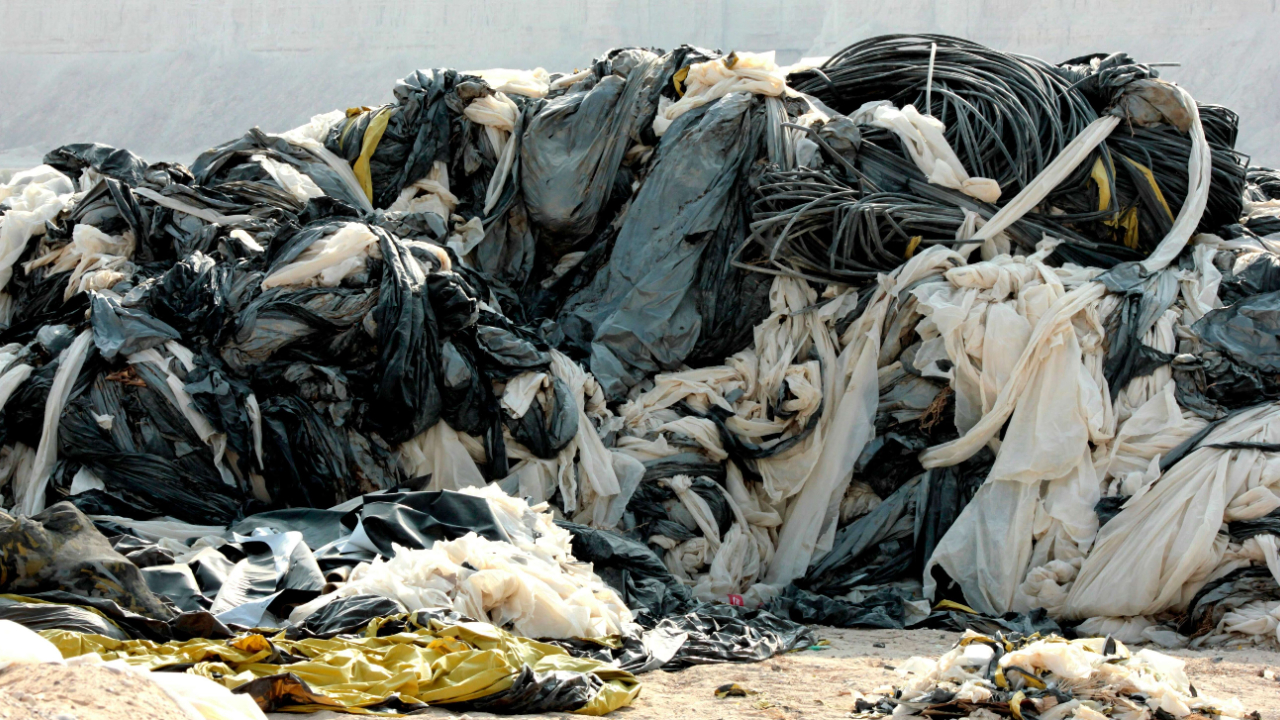
According to the United Nations, 92 million tons of clothes end in landfills annually. There’s too much clothing and very little time to rectify the problem. While savvy people on the African continent are finding new ways to recycle this discarded clothing, creating giant mega markets that sell to needy buyers and make a reasonable profit in Ghana and other innovative countries, the rest of the world carries on regardless, buying, and buying and buying…
Fast Fashion: Cheap at the Price
How can we afford fast fashion? Sadly, brands like Shein, Temu and Forever 21 are so inexpensive that they usually cost less than food essentials, such as a dozen eggs. No matter how much cred a top designer garment from a well-known brand has, its price tag is only affordable to a privileged few. The rest of us purchase what we can afford. And having a wardrobe full of new clothes is a dream come true for many.
Statistics have shown that by the end of 2026, the global fashion industry is estimated to be as high as around £1.48 billion and it’s expected to grow exponentially by 2030. That’s thanks to Chinese fast fashion mega-stores Shein and Temu, who create a giddying amount of waste producing their clothing and are known for their exploitation of cheap labour. Consumers aren’t sitting up and noticing, so the fast fashion industry booms, and very little is done about it.
Transforming our Mindsets: Fast Fashion to Slow
Slow fashion is the answer to the fast fashion industry problem. This is the antithesis of fast fashion; it encapsulates a sustainable way of shopping for fashionable clothes, choosing quality clothing that will withstand the test of time because it’s been manufactured with excellent materials and styled classically to last longer.
Vintage has become the glamorous buzzword, depicting fashion-forward people with the savvy to reuse clothes in their wardrobes or give a second life to worn clothing, items you can find in myriad vintage stores worldwide. Buying vintage is the perfect opportunity to show off your unique creative edge. It's also an opportunity to purchase a designer brand at an affordable price. Once these clothes are ‘gently worn’, their price drops. Those who can afford to buy top designer clothing at the drop of a hat often wear the clothes once or twice before discarding them. In the current economic downturn, even those with champagne budgets are happy to spend a few pounds on something they won’t be seen in a second time.
If we consider the importance of recycling our own, or someone else’s, old clothes, we’ll be doing the planet a favour. When we purchase a quality second-hand pair of shoes, a jacket, or another gorgeous piece, we extend that item’s life. We’re being sustainable. And we’re not rushing online to purchase fast fashion clothes. We’ve changed our mindset, because we’re aware these garments will end up in landfill just like the rest of this year’s ‘latest trend’.
… And Then There’s Circular Fashion
Another sustainable choice for buying garments is ‘circular fashion’, clothing made from sustainably recycled fabrics. The term describes clothes that have gone ‘full circle’. The circular fashion industry uses materials in a way manufacturers aren’t using them right now. The fabrics currently made into fast fashion garments aren’t sustainable or designed to be recycled or reused. This is what is known as ‘linear fashion’.
In contrast, circular fashion looks at manufacturing differently, creating long-lasting and timeless items using eco-friendly materials that are recycled or upcycled, and manufactured sustainably, using less water and energy and avoiding toxic chemicals in processes. The focus is on recycling garments, which involves repairing existing clothing, perhaps transforming garments into something else.
Circular fashion is a transformative solution to the fast fashion industry, and it considers pollution and climate change. It provides an opportunity for creative minds to find innovative methods of producing clothing in an environmentally conscious way.
Sustainability Takes a Back Seat
As the clothing industry continues to boom, competition gets tougher. And when the going gets tough, the tough worry about making ends meet, not about being sustainable. Currently, sustainability is not manufacturers’ concern; they are far more worried about their bottom line.
Those who do insist on prioritising sustainability try to find sustainable pieces made from organic or recycled materials that won’t break the bank. But we’re human, and the array of cheap and cheerful stuff out there is hard to resist. Social media has made us fickle, trend-aware and constantly looking for a good deal. Sadly, most of those great deals aren’t good for the planet. So if you can resist the excess of cheap clothing available, remind yourself of the damage this excess is doing.
If you need assistance from being tempted by fast fashion clothing, read our newly updated blog on creating textiles from waste, entitled Make Textiles Matter.
What Clothing Recycling Really Means
When you buy a quality item that costs a little more, you are more likely to take care of the clothing to make it last. That’s what recycling is about; reducing the need to go out and purchase a replacement because you’ve cared for your garment, and it’s lasting. It’s not falling apart. Classic styles withstand trends, and the quality is unmistakable. You bought something that you could wear more than a few times, and that extra money it cost has paid off.
Sure, recycled clothing also means reusing differently. Perhaps it involves restyling the clothing to be worn differently or reusing the fabric to make something else. Or maybe recycling means reselling or giving the clothing away so that someone else can enjoy it. Whichever way you recycle, remember: you’re doing your bit towards a greener future by not allowing your clothing to end up in landfill.
Our sister brand, maake, compiled a comprehensive guide with data on Recycled Fabric. Please read this.
Don't miss a beat!
New articles, tools, and offers delivered to your inbox.
We hate SPAM. We only use your email to deliver you valuable information.
